Новости Околина Thursday 03.04.2025
At the end of 1670, the famous Ottoman traveler Evliya Çelebi passed through the territory of present-day Macedonia, leaving behind valuable records of the places he visited and the peoples who lived there. His vivid descriptions allow us to build a bridge between the past and the present, comparing old testimonies with today’s realities.
Struga, a town on the shore of Lake Ohrid, left a special impression on Çelebi; at that time it was one of the main settlements in the region. Along with Ohrid, with its unique fortress, and neighboring Pogradec, Struga was counted among the key populated places.
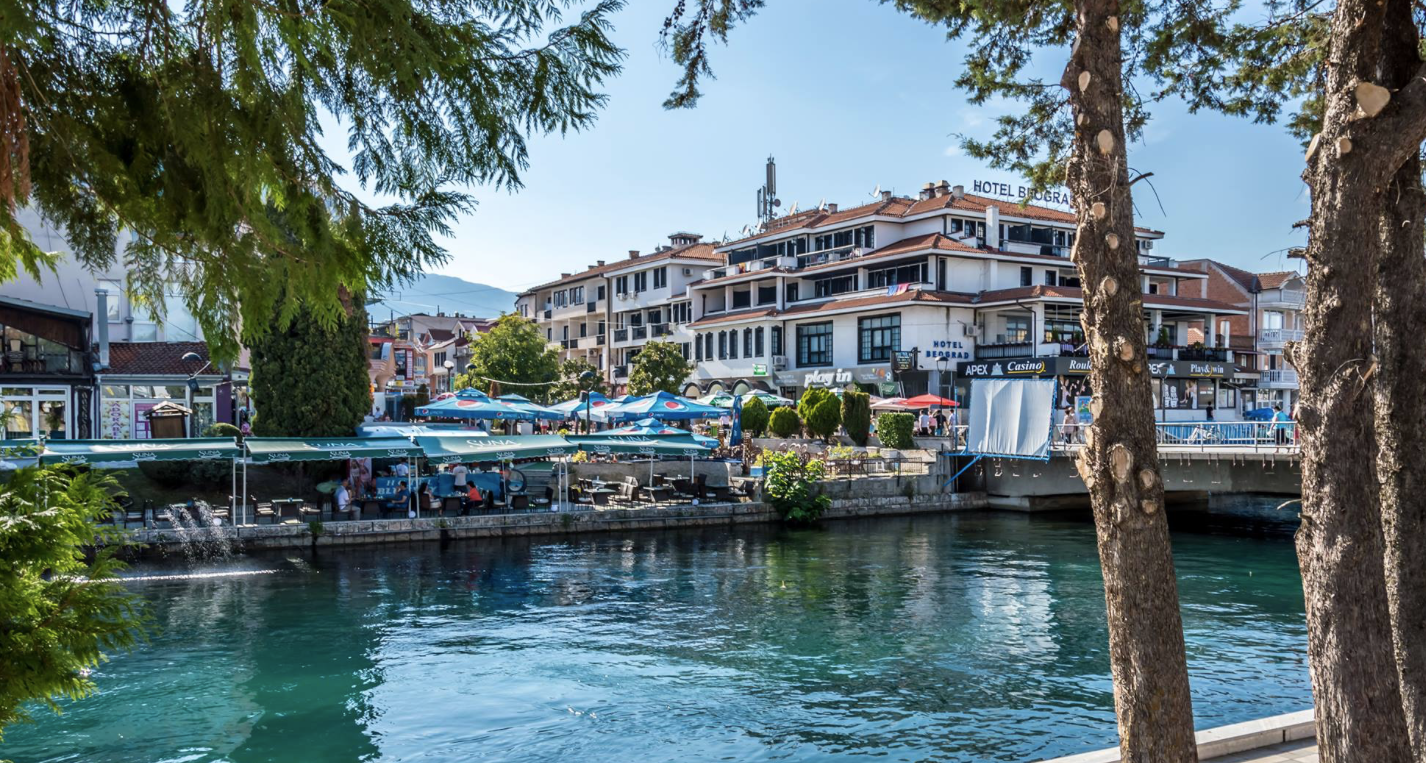
In the heart of Struga, over the Drim, there stood a wooden bridge with twelve arches, about fifty meters long. Right on it was the residence of the local aga, who was protected by forty-five armed guards. Today, the Drim remains a central place in the town, but there are no longer buildings over its waters — only bridges that facilitate easy movement. The river surroundings serve as an ideal place for a coffee break in the shade of trees or refreshment in clear waters, and soon a new wooden bridge is expected to be built to enrich this ambiance.
In the past, Struga hosted an annual fair that lasted ten days and nights, gathering about 40-50 thousand people. Over a thousand stalls and linen shops were full of merchants and buyers, creating unprecedented crowds. Today’s market is increasingly losing its traditional crafts. Once dominated by silversmiths, saddlers, potters, and other craftsmen, this architectural beauty is slowly being replaced by modern buildings. Some old structures have still preserved their distinctive bondruk constructions, giving the town a special artistic stamp.
Struga has always been connected with fishing, one of the main economic branches in the past. Impressive was the sight of twenty-five boats, illuminated by torches, pulling their nets at night, while the catch ended up in the hands of the local emin. Salted fish from Struga was then sold throughout Rumelia, becoming a recognizable export product.
Çelebi also conveys the local legend about the eel — according to belief, it gave great strength to the one who ate it. It was believed that even a headache could be cured with eel, if salt was put on its head and placed on the painful spot. The name of the ancient city Enhalon, meaning eel, only confirms the long tradition associated with this fish.
Едно прашање. Една шанса. Колку добро ги знаеш правилата?
1 учесници во квизот денес
Едно прашање. Една шанса. Колку добро ги знаеш правилата?
1 учесници во квизот денес
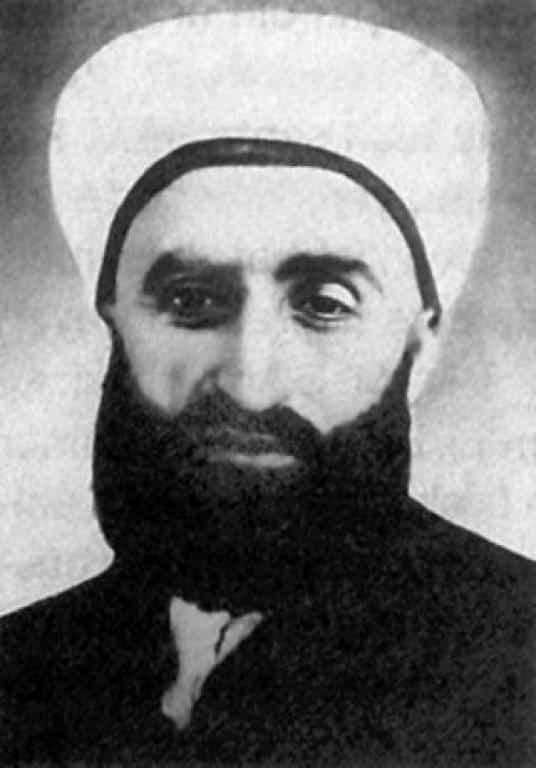
Muhammed Husrev (Aydinlar) was born in the village of Labunista near Struga, pre...
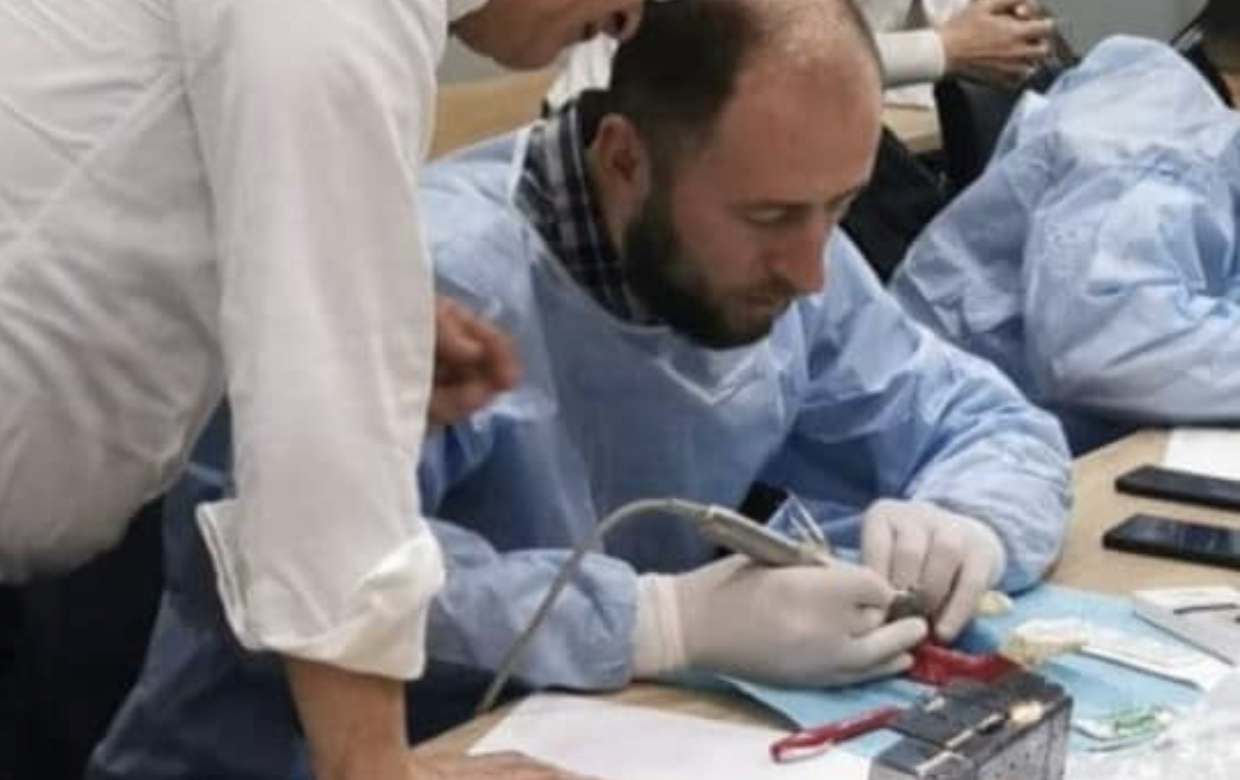
With deep sorrow, we announce the passing of Dr. Minur Memishoski, a respected d...
House for sale in Labuništa, Krasta area, with property deed! House area of 540 ...
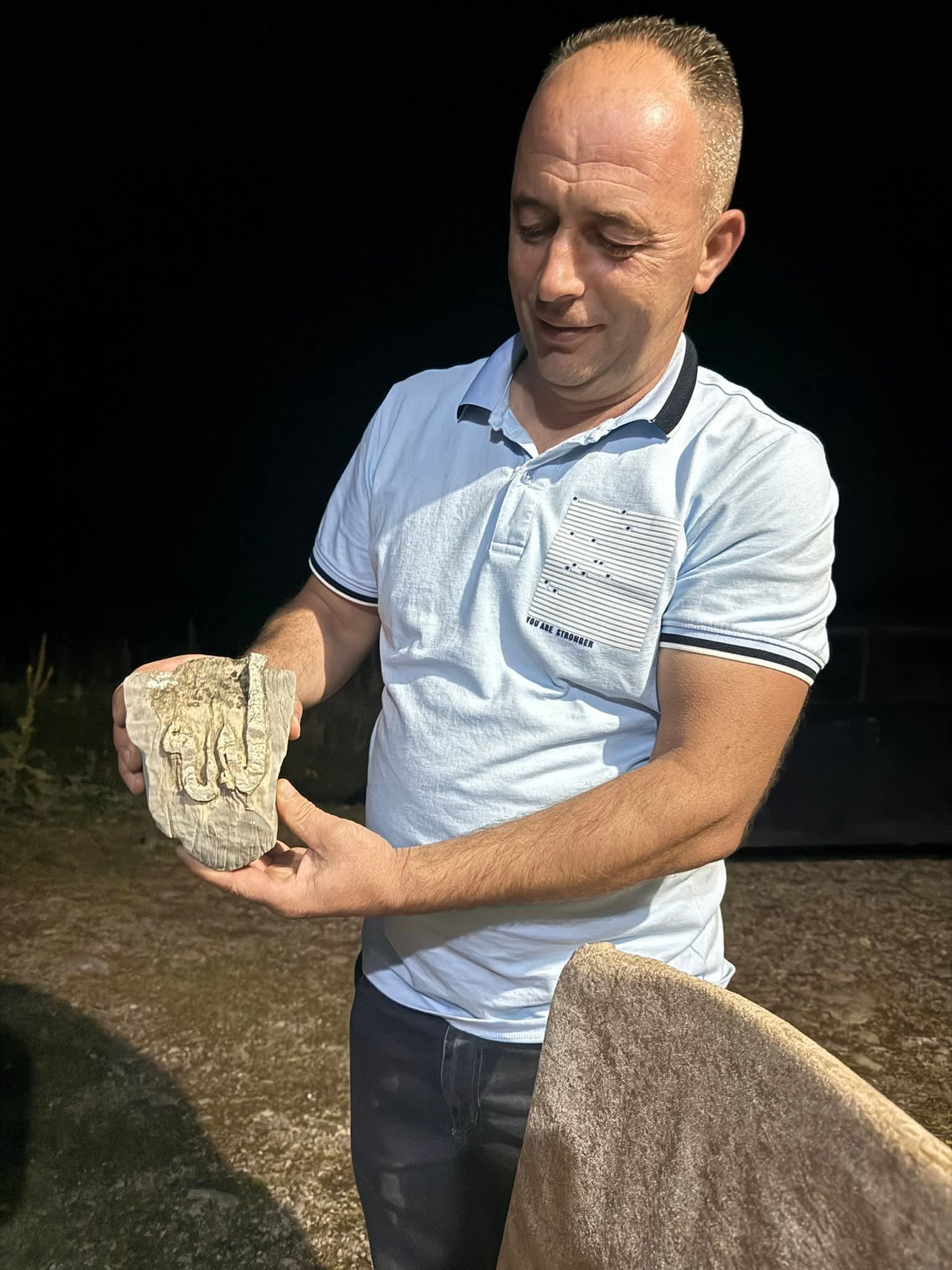
During an outing in the Labuniska Bachila area, local resident Ersan Zendeloski ...
The main topic of the meeting was two serious issues that, according to attendee...
A great success for Labunista and the young talents from our region. Ejlem Bekir...
The coordinating body composed of members Safet Demiralieski, advisor to the may...
After many years of dedicated work, our dear fellow citizen Safet Demiraliyeski ...
With special honor and pride, the residents of Labunishta extend their sincerest...
The first residents of the village of Labunishta who had the opportunity to perf...