According to some legends, Labunishta existed even in ancient times, but at the place called Gradishte (Kalishta) (altitude 879 and 838 meters above sea level).
According to the toponym, it was a town (ishte), surrounded by a fortress - kale, in plural Kalishta, and after which the toponym Kalishta has been preserved at altitude 879 m, where they defended themselves from attacks through the gorge on the southeastern side along the river Black Drim. The other, opposite direction, the fortress (defense) faced the old Caravan road and led out to the altitude Zeigozec - Labunishta Field, and one arm went to the Great Spring near the small monastery. Archaeological excavations in these places have found stone knives, abrasives, metal knives, pitchers, ceramics, and there are also excavations of old Roman graves.
According to some folk legends, it is told that around the place called Kalishta there was an old goldsmith's workshop. Even today, people jokingly say that the reason for the quarries in that area is precisely this legend. This story is part of the local history and beliefs passed down through generations, creating yet another layer of mystery and meaning for the region.
Approximately at the location of Labunishta on Ptolemy's map (reissued in 1490) the fortress Albanopolis is marked; on the map by Hassius (1744) it is marked: Albanopoli in ruin. (see Jaranov, Map - text). The Slovenian toponym is just an adaptation of the Greek: the second member - polis (which actually functions as a suffix) is replaced by the Slovenian suffix -ishte with a double meaning:
- nomen loci,
- (<* iti̯o-) patronimicum.
Since the member Alban is a name, it can be assumed that here the two functions of this suffix are mixed: it meant 'descendants' of Alban and 'place where the fortress Albanopolis was located', which is purely a structural function. The root Labun is a continuation of Alban with metathesis and Macedonian replacement of final -an- by -un- (cf. Lat. Salona, Albona, Slov. Salona, Albona, SHK. Solin, Labin, Maced. Solin, Labun- (our case), although they refer to different objects (Romanski S.: Names of some Macedonian cities, 1. Thessaloniki, MPr V, vol. 2, pp. 78-84). The Slavic toponym is therefore very old, originating from the time of the Slavic settlement of the Balkans and a continuation of an even older Greek-Latin toponym.
Special attention should be paid to the fact that over the mountain lakes "Lokvi" of Labunishta at 1908 m above sea level passes the old Roman road in the direction Durres - Thessaloniki - Constantinople, "Via Agnatia" built by the Romans. Thanks to the "Via Ignatia" road, this area gained importance as a transit region.
After the division of the Roman Empire in 395 AD into the Western Roman Empire centered in Rome, and the Eastern Roman Empire centered in Constantinople, the Ohrid-Struga area belonged to Byzantium. Later the Romans, as a people, completely disappeared from the Balkans.
According to literature, the old southern "Via Agnatia" road connected the village Borovec with other settlements in the Struga Drim valley: Labunishta, Podgorci, Vevčani, Oktisi, Radolišta (from there through the region of Qafasan) to Elbasan and the Adriatic coast.
Through Struga, this road connected the Struga Drim valley with Ohrid and further with Bitola and other places towards the Aegean. The old road extending from Borovec and other extremities had two other very important branches. One separated near the village Labunishta or near Vevčani and connected with "Via Agnatia" and then to the bridge on Drim near Dobovjani village, from where it extended through the village of Trebenishta or Botun towards Ohrid and Bitola and further towards the Aegean regions.
The other branch near the village of Oktisi, that is Lower Belica, extended west along the slopes of the Jablanița mountain and headed towards Elbasan and the Škumbin river, that is the Adriatic coast, and the northern branch near the village Upper Belica towards Shkodra, that is the northern areas of the Adriatic coast.
The branch passing over the Jablanița mountain still exists today, namely above the Labunishta mountain lakes "Lokvi" at 1908 m altitude and from there continues in the described direction of the Roman road "Via Agnatia".
Considering the developed network of road communication, it is known that Labunishta within Drimkol was connected with the nearby and more distant surroundings.
The conclusion regarding the legend and mystery of Labunishta and Kalishta is that these ancient stories not only enrich the historical context of the region but also provoke interest and research about what may lie beneath the surface of the earth. The legend of the old goldsmith’s workshop and the quarries connected to it adds another layer of secrets still unresolved. Particularly interesting is that some time ago, about 2 meters underground near Struga, an ancient tomb with numerous artifacts was found, further supporting the theory of the existence of ancient civilizations and their connection with this area. This find opens the doors for new archaeological research and may be key to unraveling the deep mysteries surrounding Labunishta and its surroundings.

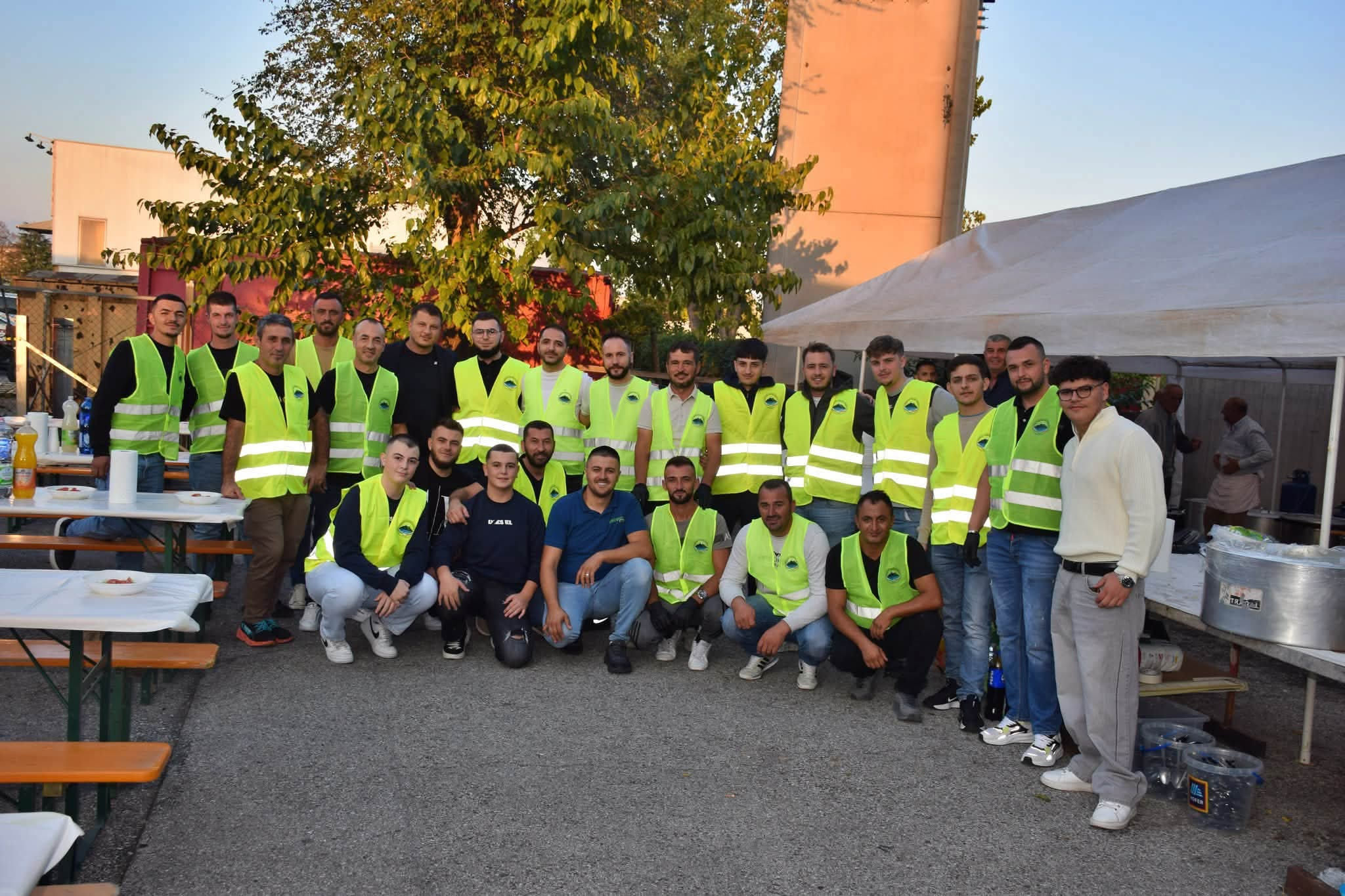 Oct 19, 2026 (Photo): An Example of Pride: Labunista Youth Organized a Successful Donor Evening in Italy The youth who organize, work, and invest themselves for the common good are the ...
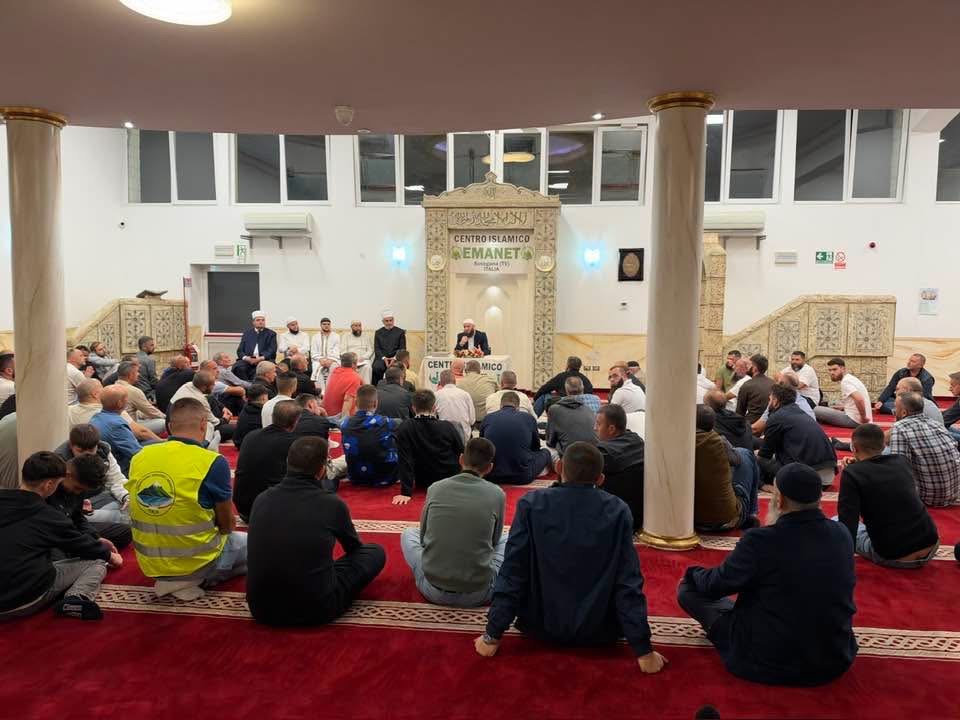 Oct 18, 2026 Huge Donation and a Memorable Evening in Susegana, Italy! The donor evening organized by the association “Labunista IT” from Conegliano pa...
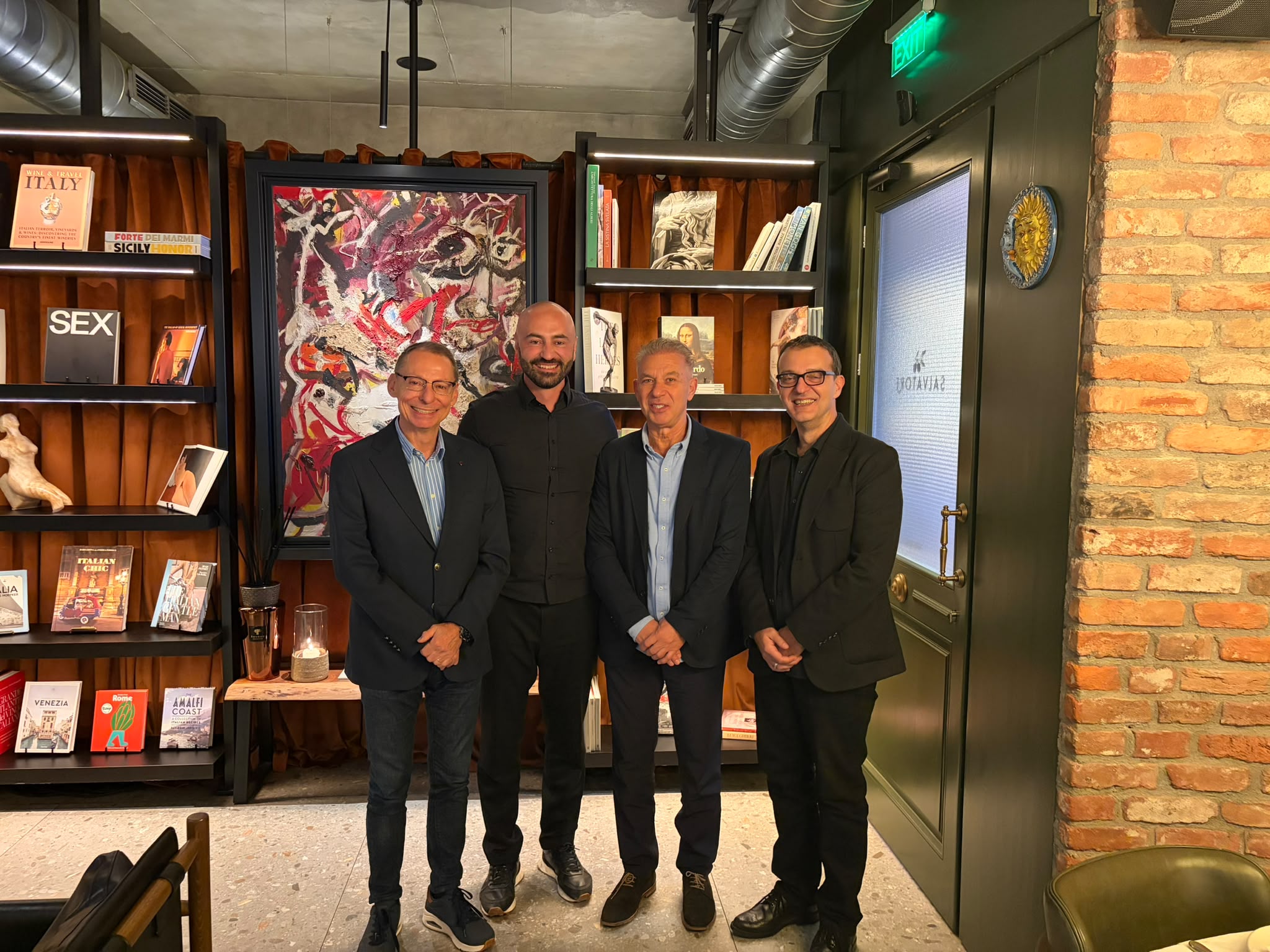 Oct 17, 2026 Dr. Edip Bekiroski Earns Specialist Title in Internal Medicine Dr. Edip Bekiroski has successfully completed his specialization in internal med...
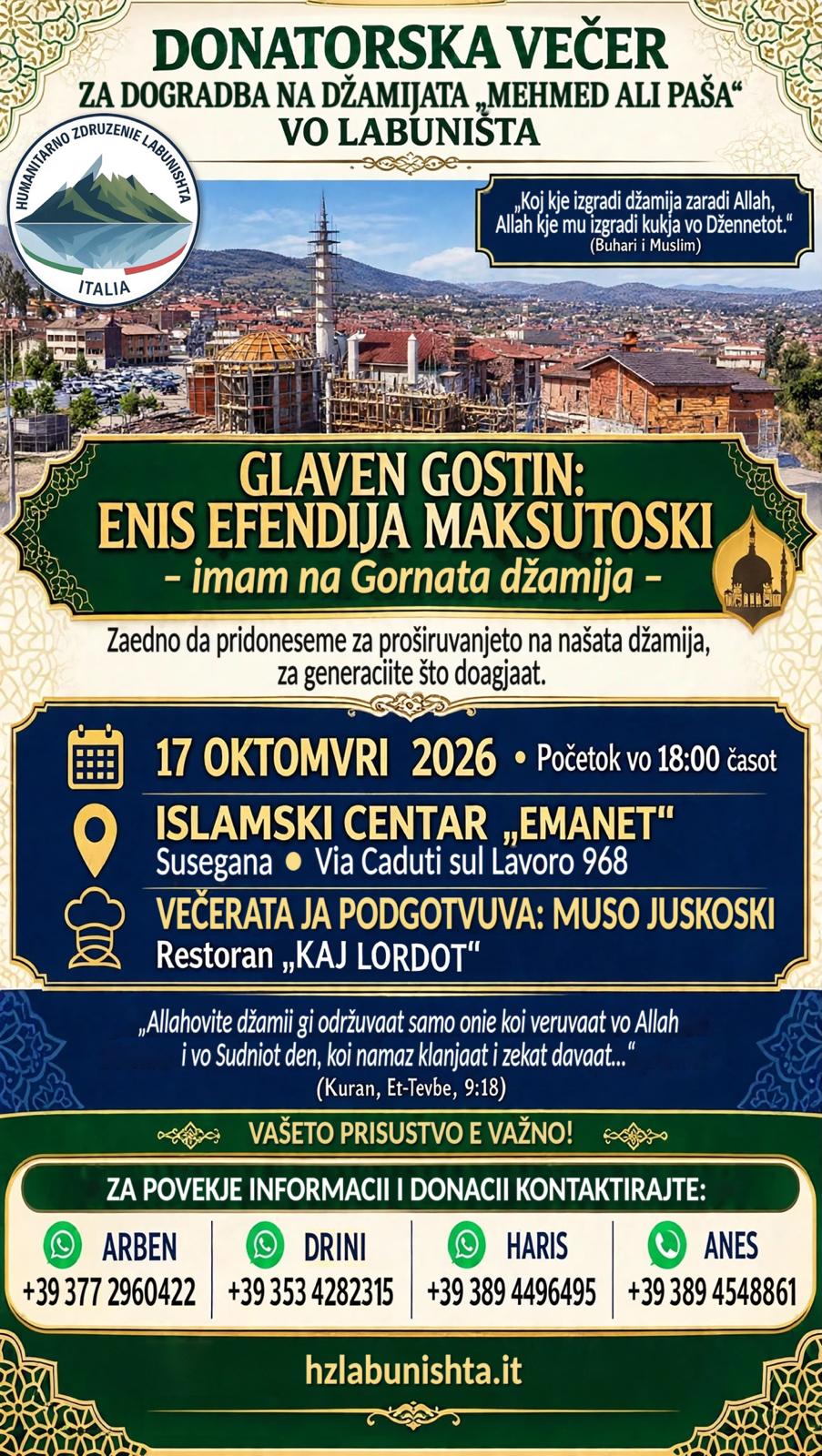 Oct 16, 2026 Reminder: THE HUMANITARIAN ASSOCIATION "LABUNISHTA" FROM ITALY — ORGANIZER OF THE DONOR EVENING! With great honor and responsibility, the Humanitarian Association "Labunishta" f...
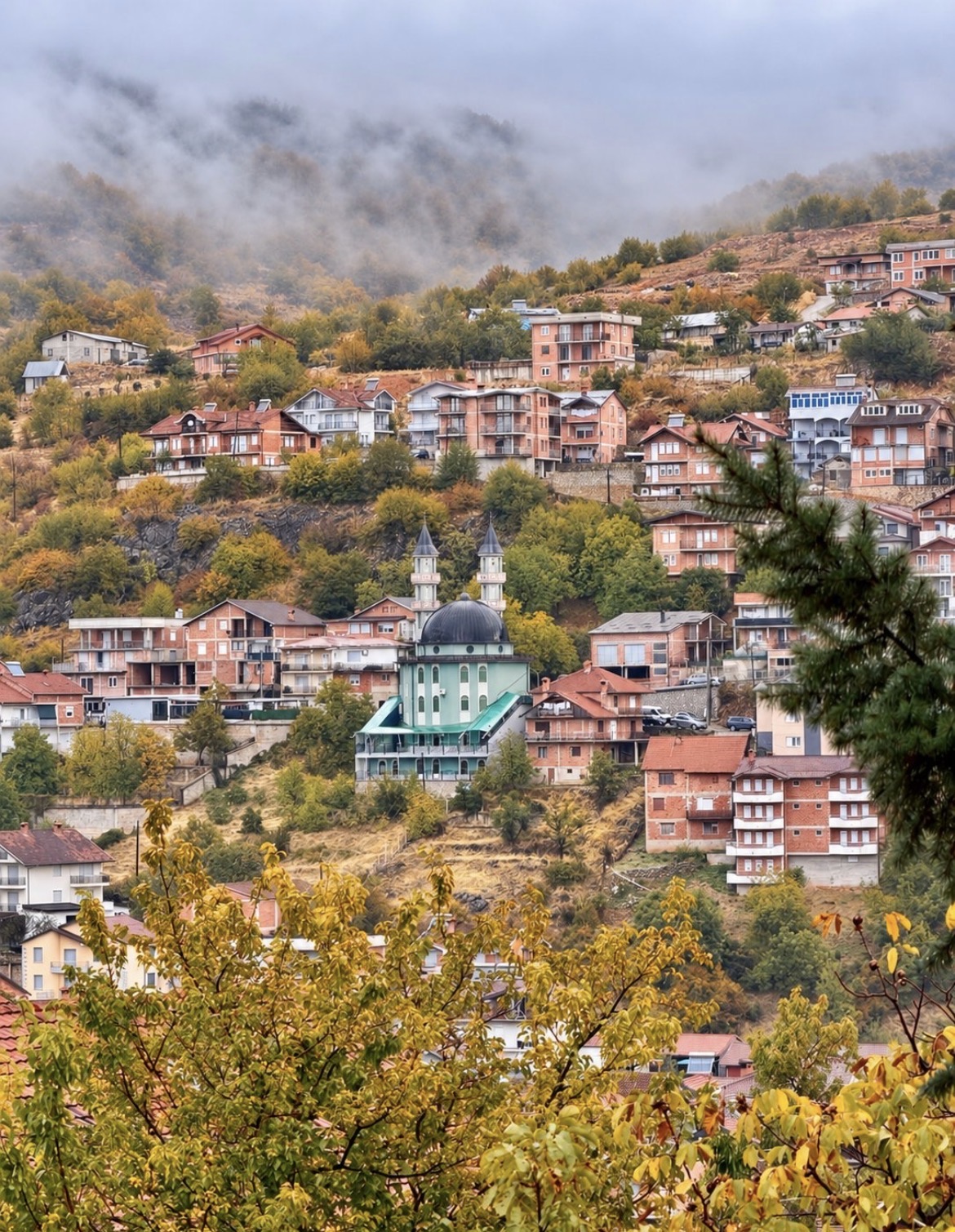 Oct 16, 2026 Labunishta Prayer – “Allah Muabet!” It is interesting that the word “muabet” originates from the Arabic word *mahabb...