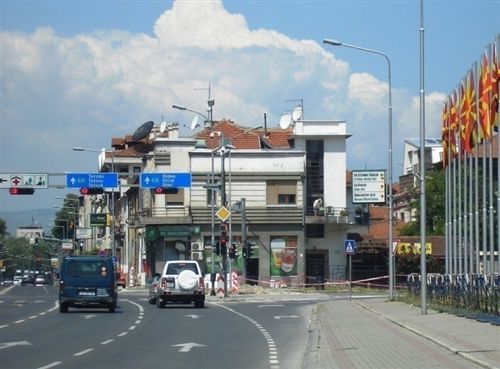
High above the Struga Plain, at 865 meters above sea level, rises Labuništa — a settlement that today counts over 10,000 inhabitants, making it almost equal in size to the city of Struga, which has about 15,000 inhabitants.
In written records, Labuništa appears for the first time in 1544, and again in 1583, which means it has persisted as a living witness to time for nearly five centuries. But its story begins much earlier.
Above the village, near the area called Kalishta – Gradište, the hills still guard the remnants of ancient fortifications. Archaeological traces — stone and metal knives, pots, tiles, and old Roman graves — speak of civilizations that lived, traded, and defended themselves here for centuries. Local legends also tell of an old goldsmith’s workshop hidden somewhere beneath the rocky slopes, a tale that still feeds the mystique of this region today.
The deepest secret, however, lies in the very name. Historians believe that Labuništa most likely bears its name as a distant echo of the ancient fortress Albanopolis, marked on Ptolemy’s old maps. Over centuries and through linguistic transformations, Alban → Labun, the name has been passed down from generation to generation until it took root in today’s form — Labuništa.
In Macedonian and the broader Slavic speech, such changes are not rare. Especially significant is the replacement of the ending -ан with -ун, which gave the ancient root a local, Slavic form. Thus, from the old Alban, through centuries of spoken adaptation, the root Labun was formed.
The second part of the name — “-ишта” — is an old Slavic suffix meaning place, area, or settlement. It was often used for places related to some building, fortification, or habitation.
Thus, the name Labuništa can be understood as:
“the place of Labun”
or
“the place where the old fortress Albanopolis stood”
Above the high Labuništa lakes Lokvi, at 1908 meters, runs the route of the ancient Roman road Via Egnatia even today. This road once connected Durrës, Thessaloniki, and Constantinople, turning this area into an important crossroads between East and West. Every step along those stone paths today is a step through history.
In the heart of the village, time continues to speak through the sanctuaries.
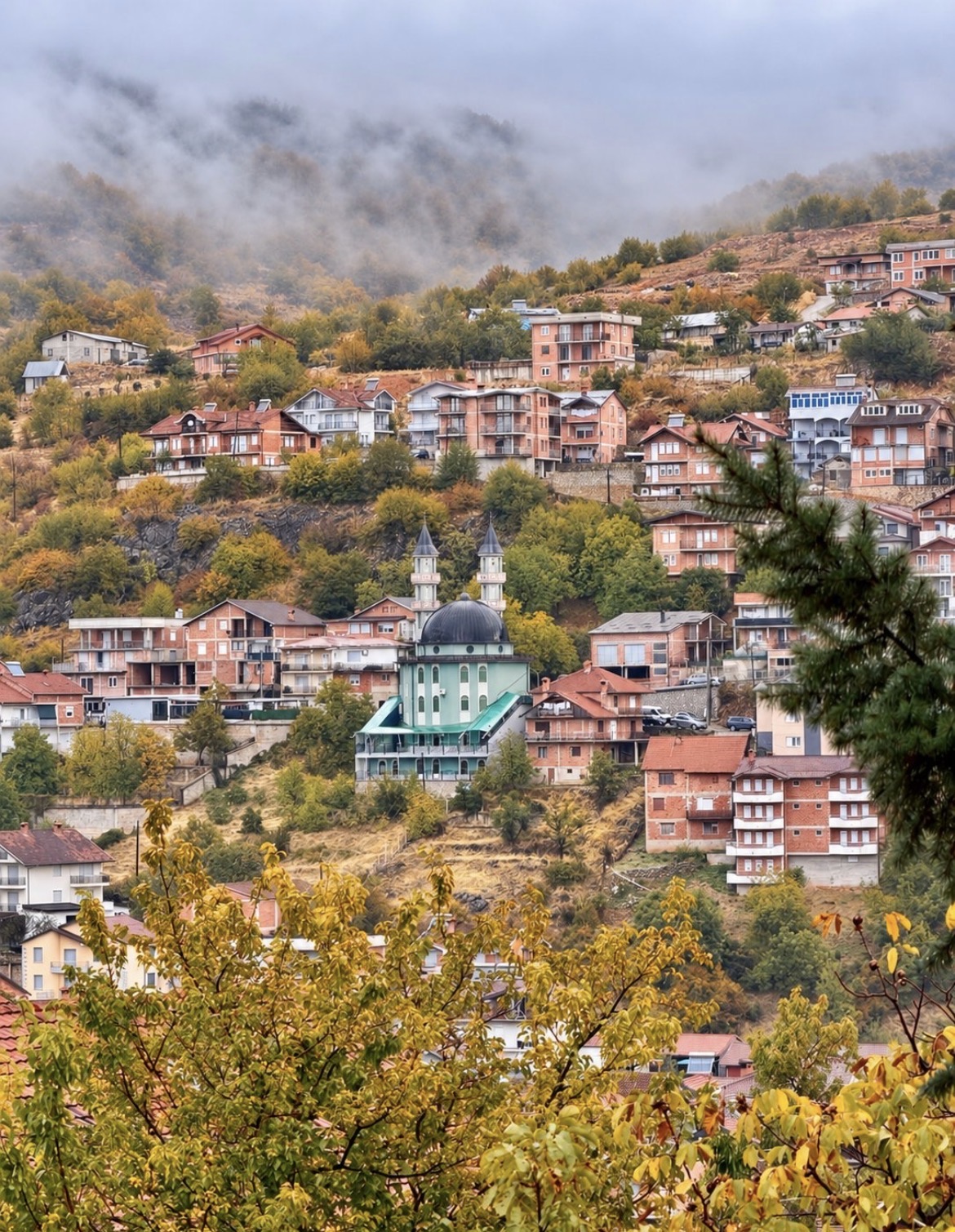
The magnificent Mehmed Ali Pasha Mosque, built in 1794, has preserved the spiritual rhythm of Labuništa for over two centuries. Later, in 1898, the first Lower Mosque was built, while the St. Nicholas Church was raised in 1856.
Even in more recent history, Labuništa remains the center of life in the region. On November 17, 1996, it again became the seat of its own municipality, a status it held until April 12, 2004. But long before that, through various historical periods, this place was the administrative heart of Drimkol.
Labuništa is not just a settlement.
It is a living chronicle of ancient roads, legends, spirituality, and persistence — a place where every stone has a story, and every path leads to some long-forgotten time.

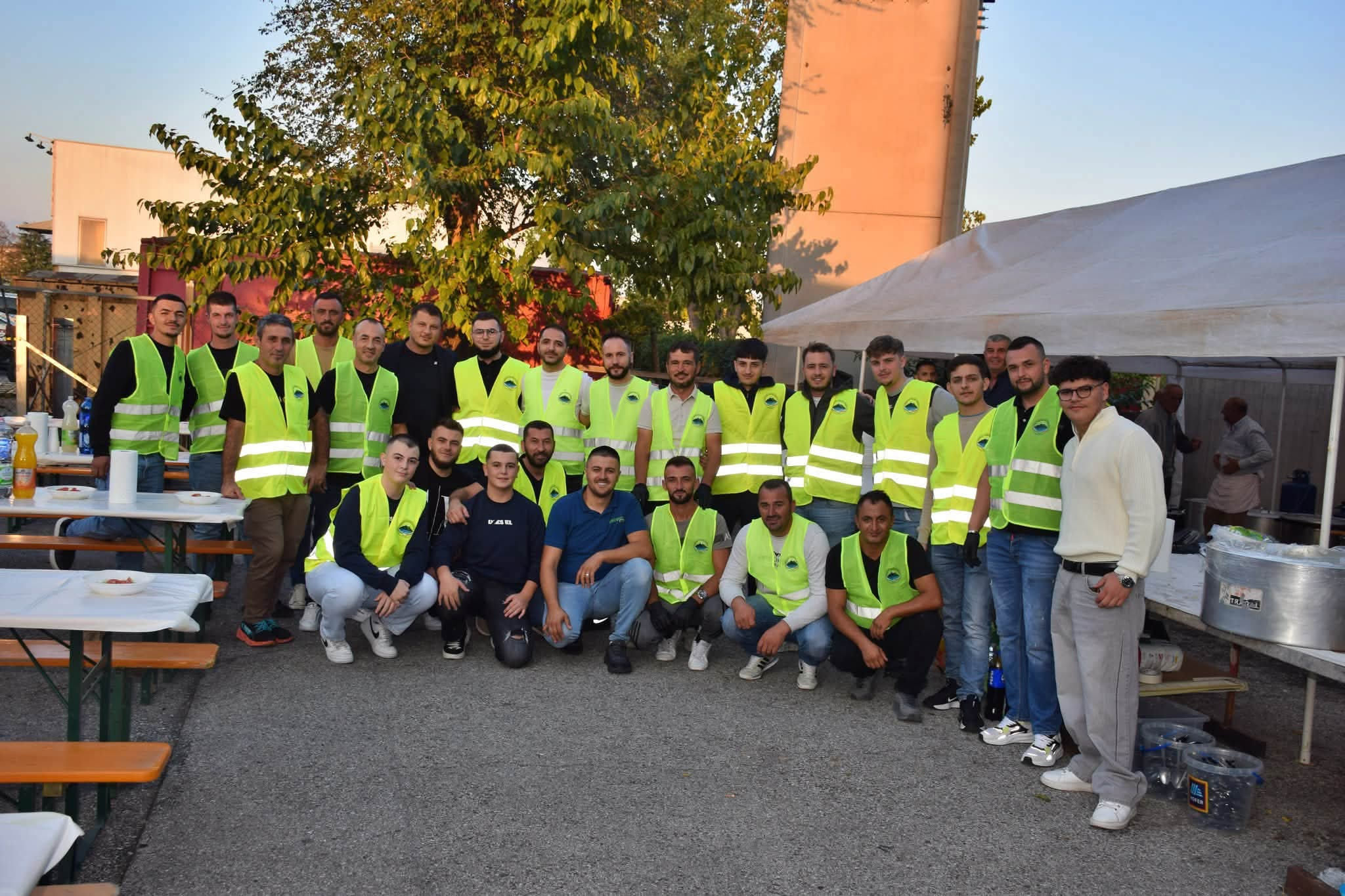 Oct 19, 2026 (Photo): An Example of Pride: Labunista Youth Organized a Successful Donor Evening in Italy The youth who organize, work, and invest themselves for the common good are the ...
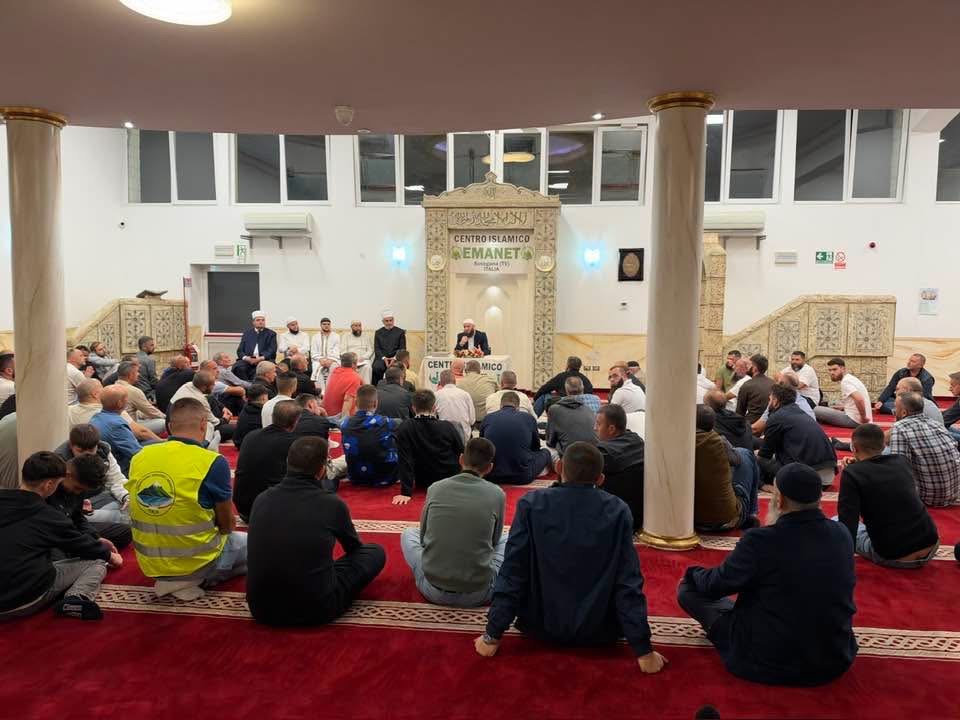 Oct 18, 2026 Huge Donation and a Memorable Evening in Susegana, Italy! The donor evening organized by the association “Labunista IT” from Conegliano pa...
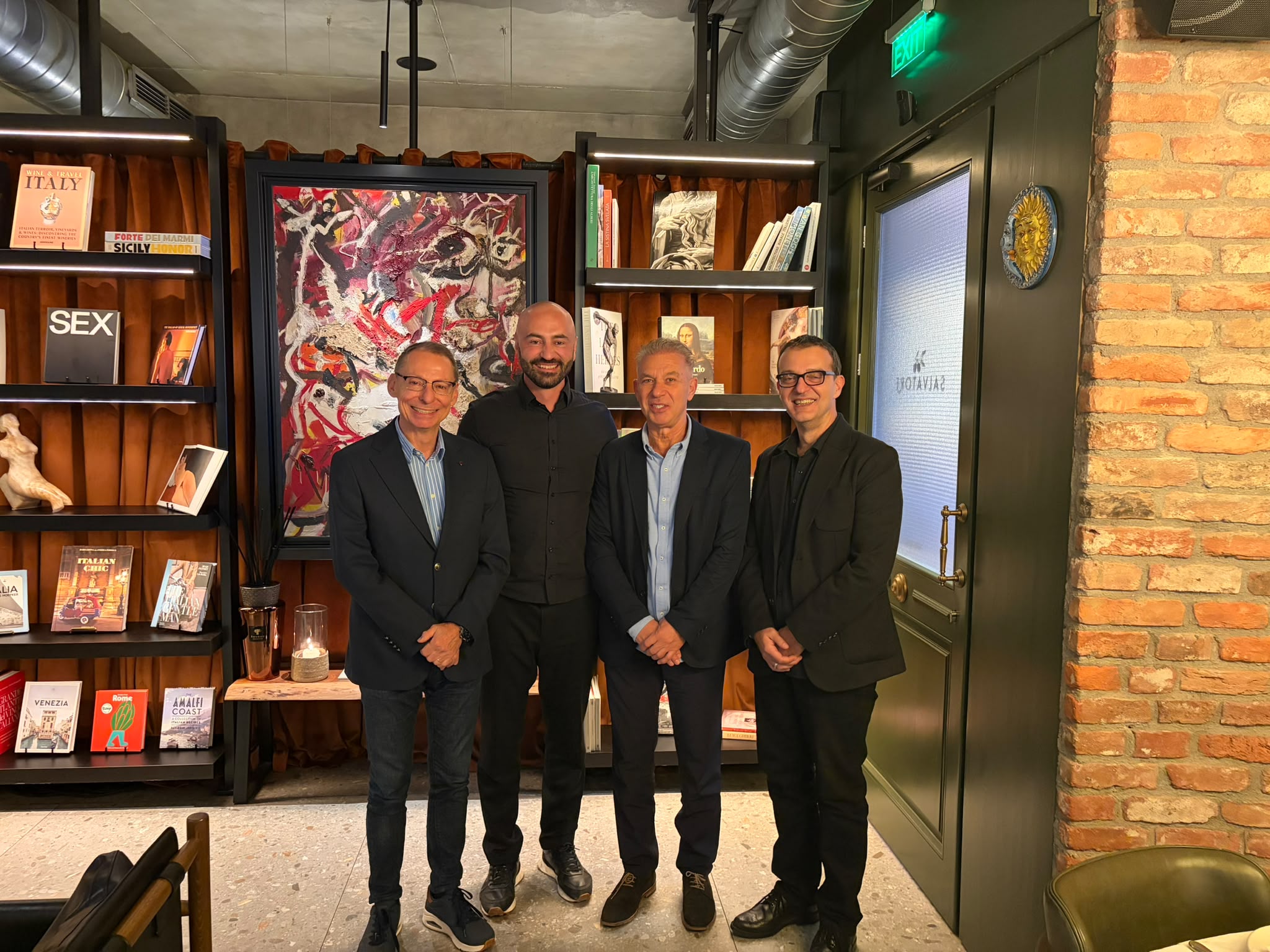 Oct 17, 2026 Dr. Edip Bekiroski Earns Specialist Title in Internal Medicine Dr. Edip Bekiroski has successfully completed his specialization in internal med...
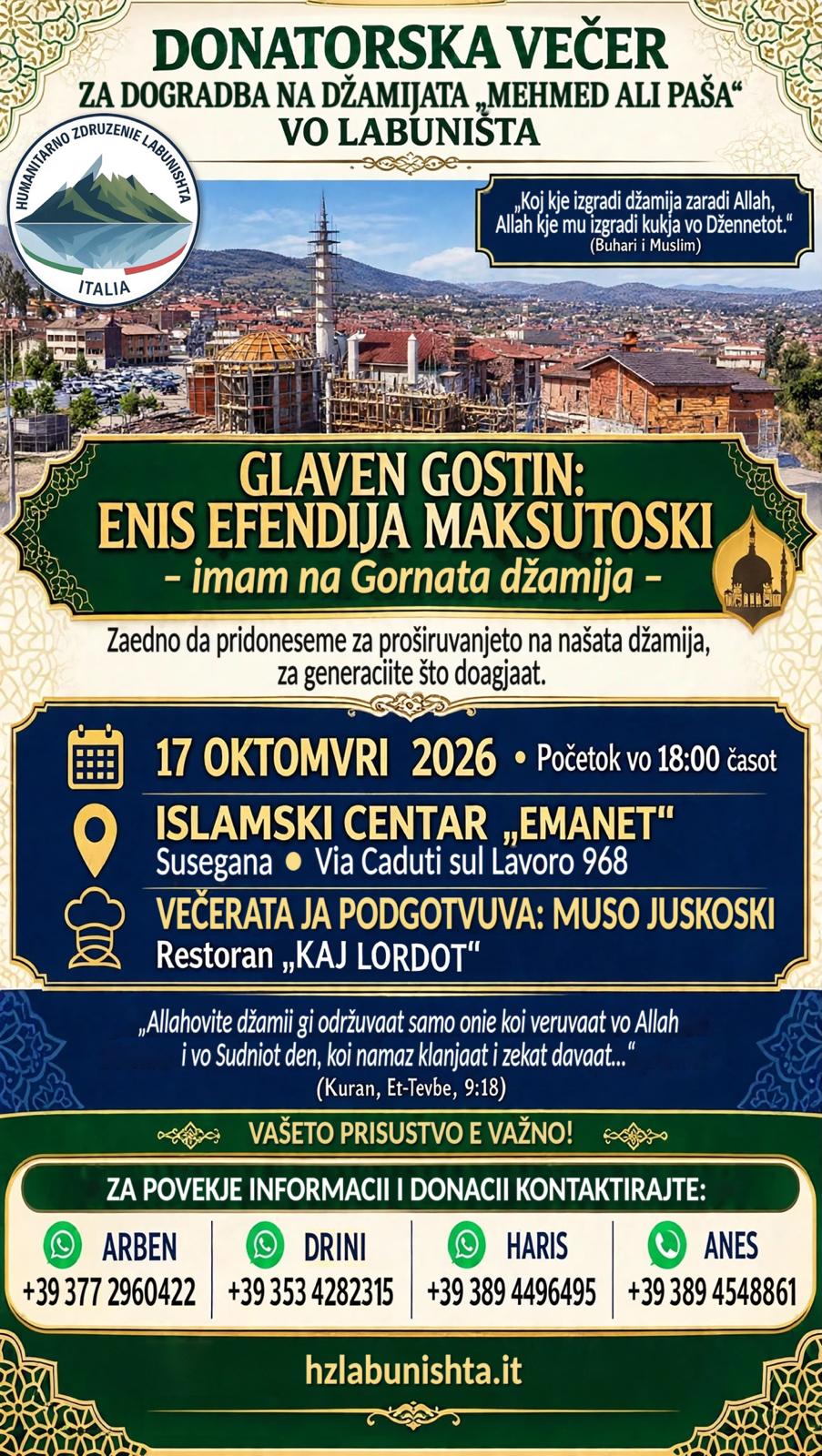 Oct 16, 2026 Reminder: THE HUMANITARIAN ASSOCIATION "LABUNISHTA" FROM ITALY — ORGANIZER OF THE DONOR EVENING! With great honor and responsibility, the Humanitarian Association "Labunishta" f...
 Oct 16, 2026 Labunishta Prayer – “Allah Muabet!” It is interesting that the word “muabet” originates from the Arabic word *mahabb...